Case study
2025 • Global Water Intelligence Water circularity in the beauty and personal care industry
This case study presents the efforts of the Corporate Water Leaders – Beauty & Personal Care (CWL-BPC) working group to advance water reuse and recycling practices in manufacturing facilities across the global beauty and personal care industry. Operating in diverse geographies including Brazil, China, India, and Europe, the initiative brings together major manufacturers like L’Oréal, Beiersdorf, Colgate-Palmolive, and others to implement water circularity at scale. Formed through a series of collaborative knowledge exchanges and pilots, the initiative began in the early 2020s and continues through 2025. Since its inception, CWL-BPC has documented a growing portfolio of best practices for industrial reuse, pilot demonstrations, and policy recommendations, influencing sector-wide dialogue around water circularity. Results show that reuse of up to 60% of water in factories is technically feasible, even in complex and hygiene-sensitive production environments.
Recovered Materials & Products
Water
Water reuse
Waste Streams
Wastewater
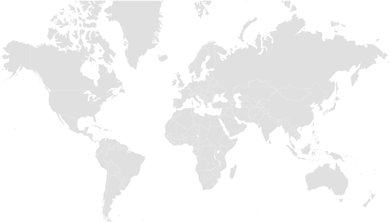
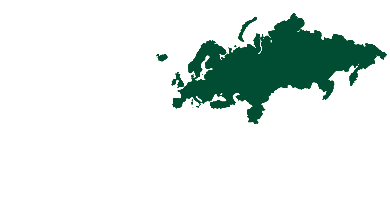
Confirmed countries
Germany India Brazil Belgium Italy Russia China



Background and context
The CWL-BPC initiative operates across multiple countries, including Brazil, China, India, Italy, Belgium, Russia, and Germany—regions where water scarcity, environmental pressures, and stakeholder expectations around sustainability are intensifying. The primary resource stream targeted in this initiative is industrial process wastewater generated during the production of personal care products. Factories in this sector typically require high water quality for cleaning, formulation, and production processes, making them water-intensive by design. At the same time, conventional wastewater treatment practices in many facilities fail to maximize the potential for reuse. The challenge addressed by this initiative is therefore twofold: reduce dependency on freshwater abstraction and demonstrate that high levels of water recycling are achievable even in demanding production contexts.
Approach
The CWL-BPC working group facilitated knowledge exchange and co-learning between corporate peers, starting in 2020 under the coordination of Global Water Intelligence. The approach involved in-depth analysis of pilot cases, mapping of existing water reuse practices, and identification of technical, operational, and regulatory barriers. Key technologies deployed across the pilot sites included membrane bioreactors (MBRs), ultrafiltration, reverse osmosis, dissolved air flotation, aerobic and anaerobic biological treatment, electro-oxidation, evaporation, and clarification. For example, L’Oréal’s “Waterloop” factories in Belgium and China utilize a combination of technologies to enable internal reuse of 100% of process water. Other companies explored wastewater cascade use, where final rinse water from one process is reused as pre-rinse in another. Implementation steps followed a learning-by-doing model, involving initial audits, feasibility studies, pilot-scale validation, and scaling of successful reuse configurations. Regular meetings and cross-company exchanges allowed participants to benchmark practices and co-develop reuse guidelines tailored for the sector.
Outcomes and impacts
Quantitatively, participating factories reported potential reuse rates between 20% and 60%, with some facilities aiming for full or nearly full internal water loop closure. One L’Oréal plant in Belgium has operated as a “Waterloop” factory since 2019, recycling 100% of its industrial water through a closed loop, reducing water withdrawals by over 50,000 m³ per year. Across the initiative, pilots demonstrated reduced freshwater intake, improved operational resilience, and avoided discharges to already stressed urban wastewater networks. Qualitatively, the initiative has catalyzed a shift in industry thinking—from water efficiency to water circularity—anchored in risk mitigation, brand reputation, and regulatory readiness. It has also promoted a science- and technology-driven framing of water reuse, contributing to Sustainable Development Goal 6 (clean water and sanitation) and SDG 12 (responsible consumption and production).
Lessons learned
One of the main insights is that water reuse in hygiene-sensitive manufacturing environments is not only technically feasible, but increasingly necessary. The initiative revealed that advanced treatment technologies, if properly operated, can ensure compliance with stringent internal quality and hygiene standards. However, regulatory uncertainty, lack of harmonized water reuse standards, and misconceptions about risk remain significant barriers. Facilities with in-house technical capacity and strong leadership were more successful in implementing high-reuse systems. Peer learning proved crucial to accelerating adoption, especially in demystifying complex technologies. A key takeaway is that a transition to water circularity requires an integrated approach—combining technical innovation, risk management, and organizational change. The CWL-BPC initiative shows strong potential for replication across other industrial sectors and geographies, and could serve as a model for other water-intensive manufacturing sectors looking to reduce their freshwater footprint.
Learn more
Read more about the case studies from the Corporate Water Leaders – Beauty & Personal Care (CWL-BPC) working group's report at the link below
https://www.corporatewaterleaders.com/outputs/water-circularity-bpc
Technologies
Anaerobic digestion
Reverse osmosis
Ultrafiltration
Membrane bioreactor
Dissolved air flotation
Aerobic treatment
Electro-oxidation
Evaporation
Clarification
Themes
Design
Business models
Technologies
Operation and maintenance
Policy and regulation